APPLICATION SOLUTION · ENGINEERING EXAMPLE
RV Lithium Battery & Integrated Power Systems
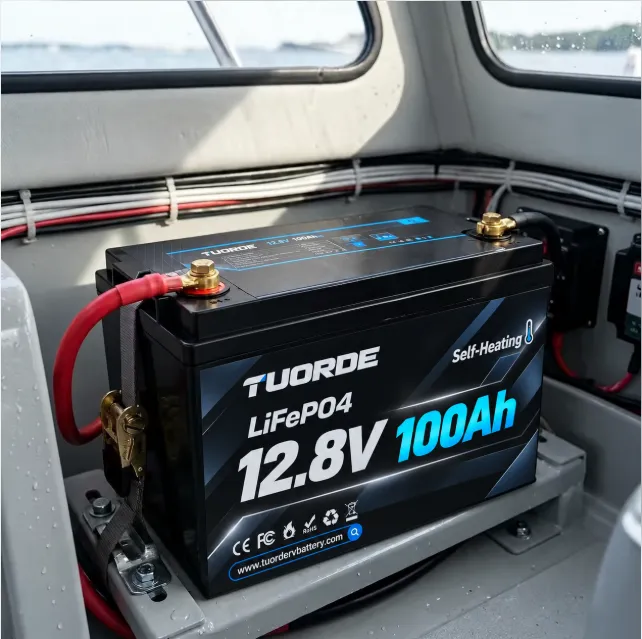
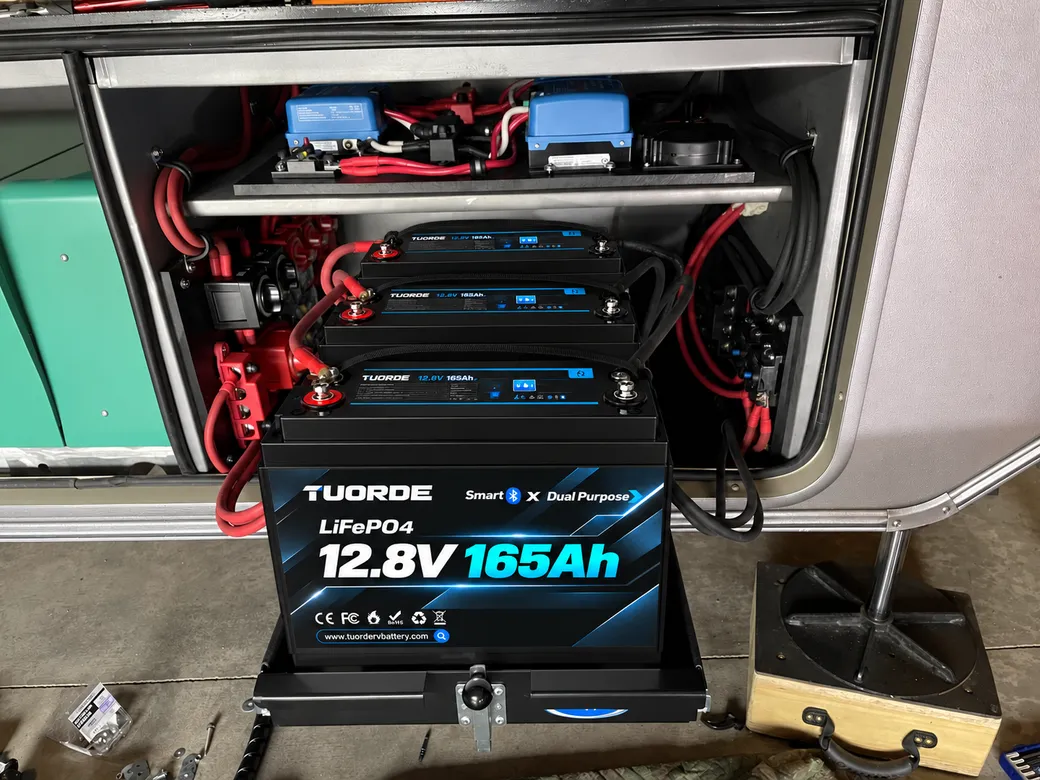
An RV power system connects house-battery storage with charging equipment, power conversion and protected AC / DC distribution. TUORDE’s company profile describes PDU and battery integration; this is an engineering example, rather than a documented customer deployment.
Start with the appliances, average power, operating hours and startup loads. Define the energy needed between charging opportunities, then review the battery envelope, BMS limits and distribution architecture. Physical fit alone does not establish system compatibility.
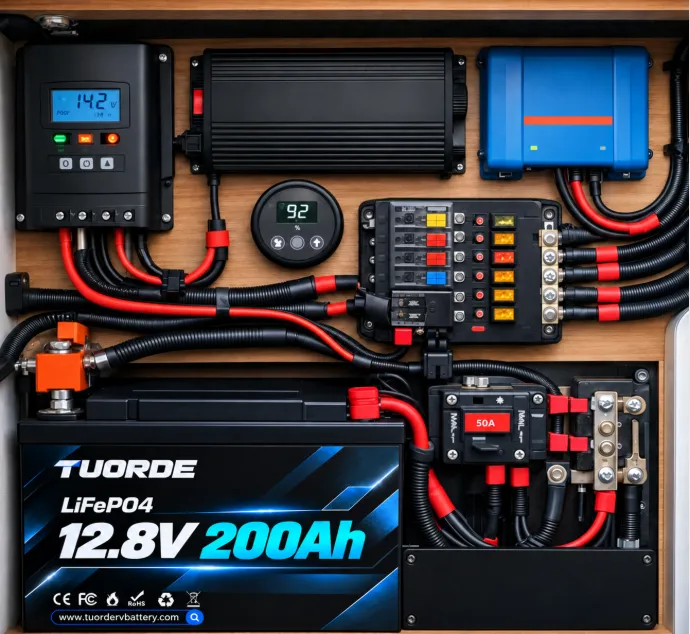
Charging and Distribution
- AC and solar: Review the shore charger and solar MPPT controller against the selected battery’s charging instructions.
- Engine charging: Define the vehicle charging behavior and any required DC-DC interface.
- PDU integration: Specify battery voltage, required AC / DC outputs, protection, connectors and cable routes.
Battery and Installation Review
Choose capacity from a load budget. Check continuous and inverter startup demand, charging limits, terminal clearance, mounting, access and cable protection. Review the full equipment list together.
OEM, BMS and Interfaces
Agree housing, capacity, branding and control functions as a project specification. Confirm App, CAN or RS485 support for the actual BMS hardware, firmware and connected equipment.
For the PDU integration example, request the applicable architecture and mechanical drawings. Review the proposed battery, chargers and distribution equipment together before configuration approval.