

Severe cold
The application brief includes conditions below −30°C and snowstorms.
COLD-WEATHER EQUIPMENT · X300
The X300 snow groomer project focused on heavy-duty electric equipment operating in snow, severe cold and at altitude. Thermal management, charging, structural integration and maintenance requirements were developed as a system.
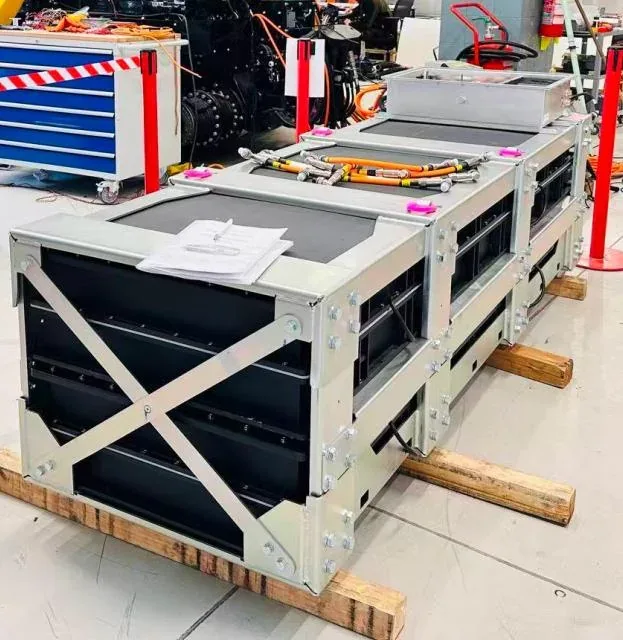
680V / 230Ah pack · about 300kWh system
Discuss Your Custom Battery Project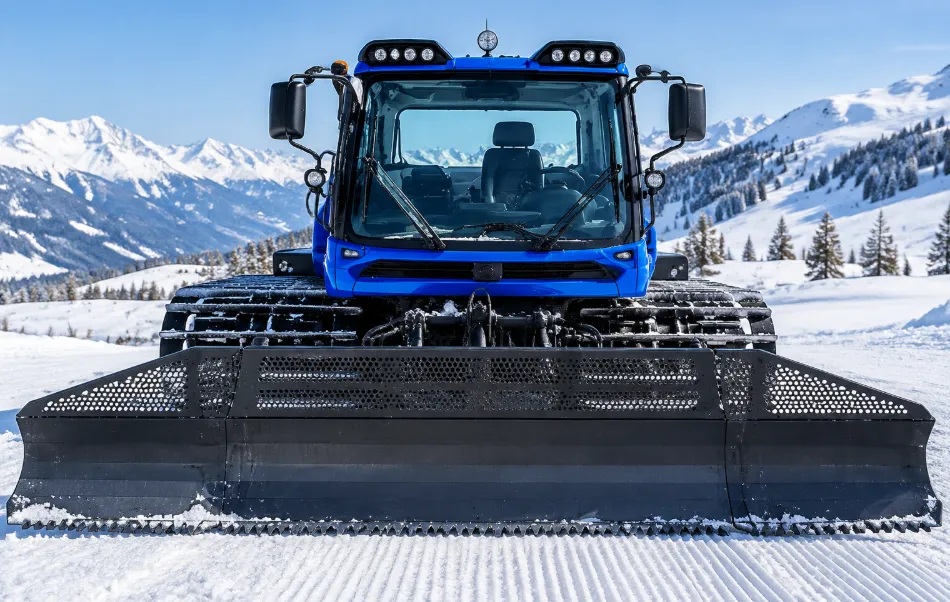
This case documents a custom traction-battery project. It illustrates an engineering approach to one application; it is not a drop-in replacement product or a specification for TUORDE’s 24V truck starting and parking batteries.
The application brief includes conditions below −30°C and snowstorms.
Terrain, slopes, operating duration and high-altitude requirements shaped the engineering scope.
Cold-weather charging and maintenance needs had to be reviewed with the thermal and control systems.
The source describes active fluid-based heating and cooling, rather than relying on cell selection alone.
High-power battery architecture, energy management and cold-weather charging formed part of the project.
Structural packaging, vibration damping, sealing and corrosion protection were addressed together.
| Parameter | Source-reported project information |
|---|---|
| Application | Electric snow groomer traction power |
| Reported battery pack | 680V / 230Ah |
| Reported system energy | Approximately 300kWh; source describes a doubled-system design |
| Thermal approach | Active fluid-based heating and cooling |
| Mechanical approach | Structural battery integration and vibration damping |
| Environmental scope | Sealing and corrosion-protection development |
680V × 230Ah is 156.4kWh per reported pack. The source describes a doubled system and reports approximately 300kWh; the final pack count, connections and usable-energy basis require confirmation in the system documents.
680V / 230Ah describes the reported pack; approximately 300kWh describes the doubled system. They are not interchangeable specification fields.
Condition-based and predictive-maintenance BMS functions are described in the source; their implementation is configuration-specific.
The source explicitly says actual project photographs are not shown. The supplied engineering image is labeled as reference material.
The X300 brief reports at least 3,000 cycles at 80% depth of discharge and operation of up to four hours per charge. These are source-reported project outcomes. Duty cycle, temperature, charging conditions and detailed test records should be reviewed before using them as a design basis.
The case brief is TUORDE-supplied project documentation. Detailed test methods, acceptance records and applicable configuration drawings are available for discussion; no independent validation or universal performance guarantee is implied.
TECHNICAL RESOURCE
Review the project summary, engineering approach, and source-documented battery specifications in the PDF brief.
Download PDFDiscuss battery architecture, thermal design, structural integration, BMS interfaces and prototype verification for your application.
Share your application, voltage, capacity, operating environment, mechanical constraints and project stage with our engineering team.
Case reference: X300. Include this reference and your own operating requirements in the inquiry.