

Sustained heavy loads
The project combined a large energy requirement with the power demands of a multi-motor mining vehicle.
HEAVY-DUTY MINING · M2000
A mining-equipment OEM required a high-voltage battery system for heavy-load operation in dust and changing temperatures. The M2000 brief documents TUORDE’s work from cell selection and pack layout to integrated high-voltage and vehicle controls.
900V · 2000kWh system
Discuss Your Custom Battery Project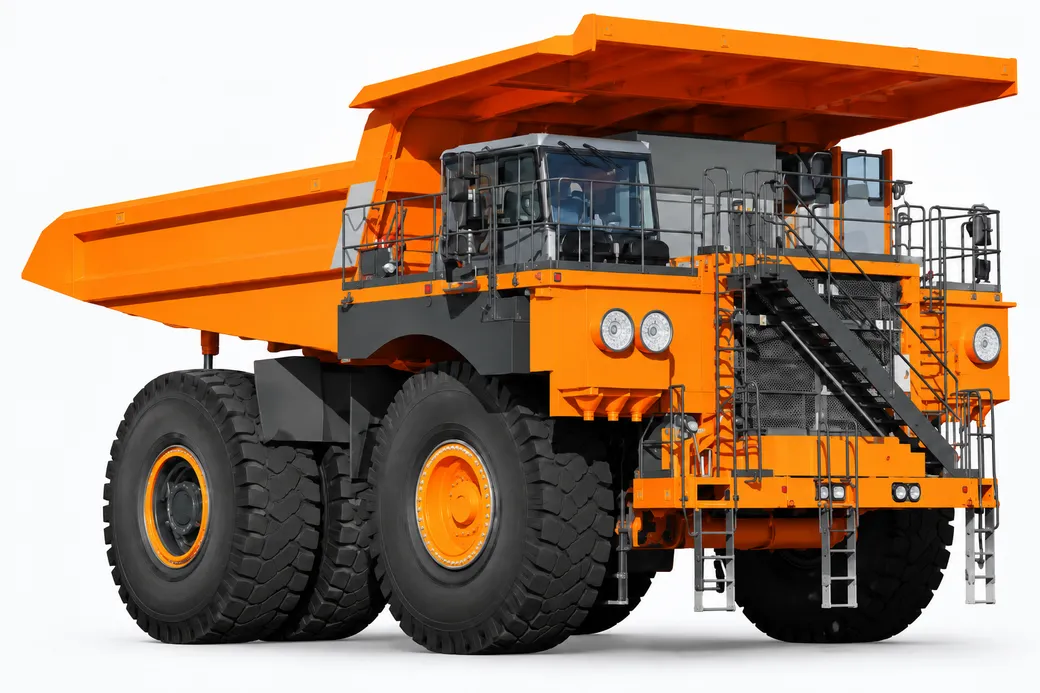
This case documents a custom traction-battery project. It illustrates an engineering approach to one application; it is not a drop-in replacement product or a specification for TUORDE’s 24V truck starting and parking batteries.
The project combined a large energy requirement with the power demands of a multi-motor mining vehicle.
Dust, temperature variation and corrosion exposure shaped the environmental and thermal design requirements.
The battery architecture had to work with high-voltage distribution and the vehicle control unit.
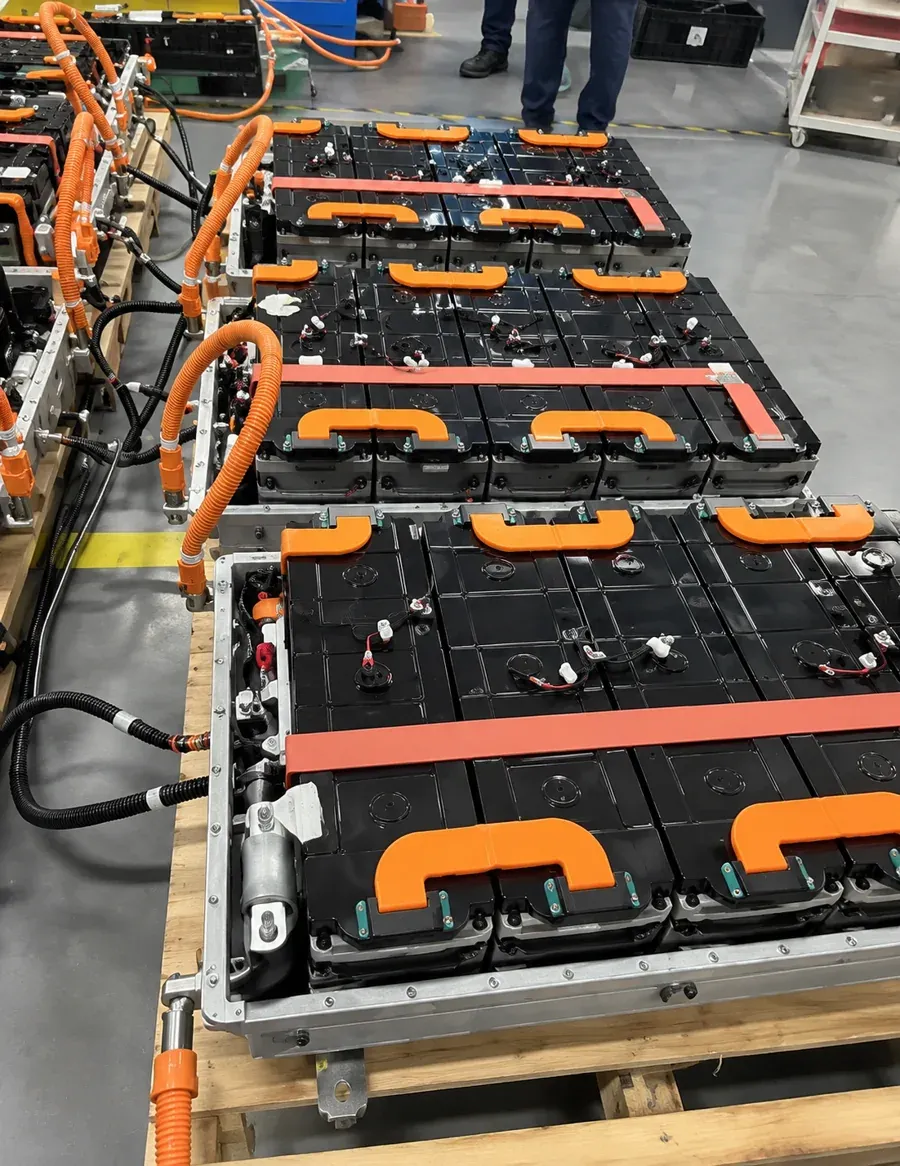
The brief describes vehicle-grade cell selection and modular battery-pack integration for a 900V / 2000kWh system.
The collaboration covered high-voltage system integration and coordination with vehicle controls.
Thermal management and environmental adaptation were reviewed alongside physical pack layout.
| Parameter | Source-reported project information |
|---|---|
| Application | Electric mining truck traction power |
| System platform | 900V, as reported |
| Integrated system energy | 2000kWh, as reported |
| Cell capacity | 280Ah vehicle-grade lithium cells |
| Drive interface requirement | Four 300kW motors; independent or coordinated control |
| Environmental requirement | IP68 protection and anti-corrosion design targets |
The motor arrangement and IP68 rating appear in the source as project requirements. They are not presented here as independently verified test results.
Cell arrangement and available installation space were reviewed together.
Prototype trials and process review formed part of the documented collaboration.
Project milestones provided review points for the engineering work.
The project brief records the development of an integrated 900V / 2000kWh battery solution. It describes the engineering scope and collaboration, but does not supply measured uptime, energy savings or a complete acceptance-test dataset.
The case brief is TUORDE-supplied project documentation. Detailed test methods, acceptance records and applicable configuration drawings are available for discussion; no independent validation or universal performance guarantee is implied.
TECHNICAL RESOURCE
Review the project summary, engineering approach, and source-documented battery specifications in the PDF brief.
Download PDFDiscuss battery architecture, thermal design, structural integration, BMS interfaces and prototype verification for your application.
Share your application, voltage, capacity, operating environment, mechanical constraints and project stage with our engineering team.
Case reference: M2000. Include this reference and your own operating requirements in the inquiry.